Please Enter Your Details to Proceed
- By providing us with your information you are consenting to the collection and use of your information in accordance with our privacy policy, terms of service.
- By providing us with your information you are consenting to the collection and use of your information in accordance with our privacy policy, terms of service.
You've been learning AI.
Can anyone tell by looking at your resume?
You've been learning AI.
Can anyone tell by looking at your resume?
Try a quick exercise with us. It takes about a minute, and then we'll show you something we think you'll want to see.
You've read the posts. You've watched the videos. Maybe you've tried a tool or two, or sat through a workshop. So you know some AI.
Guess what?
Nobody looking at your CV can tell.
The Exercise
Imagine you've been asked to choose one person to join your team. AI is now part of everyone's work, so you need someone who can handle it.
- Person A has 3 certificates in their field.
- Person B has 8. The same 3 in their field, plus 5 more covering different parts of AI adoption at work.
Everything else is equal. Same experience. Same interview. Same salary ask.
Who do you pick?
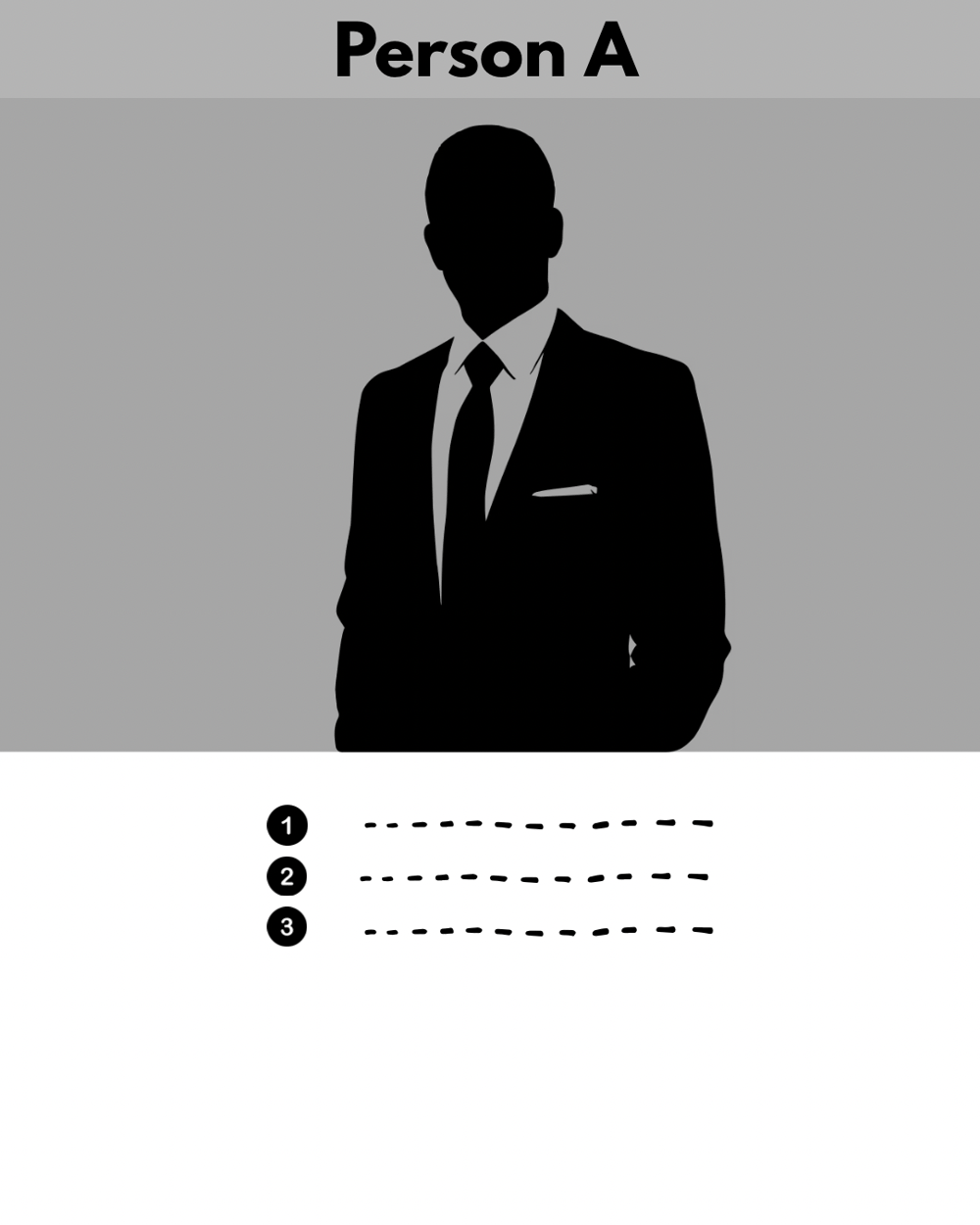
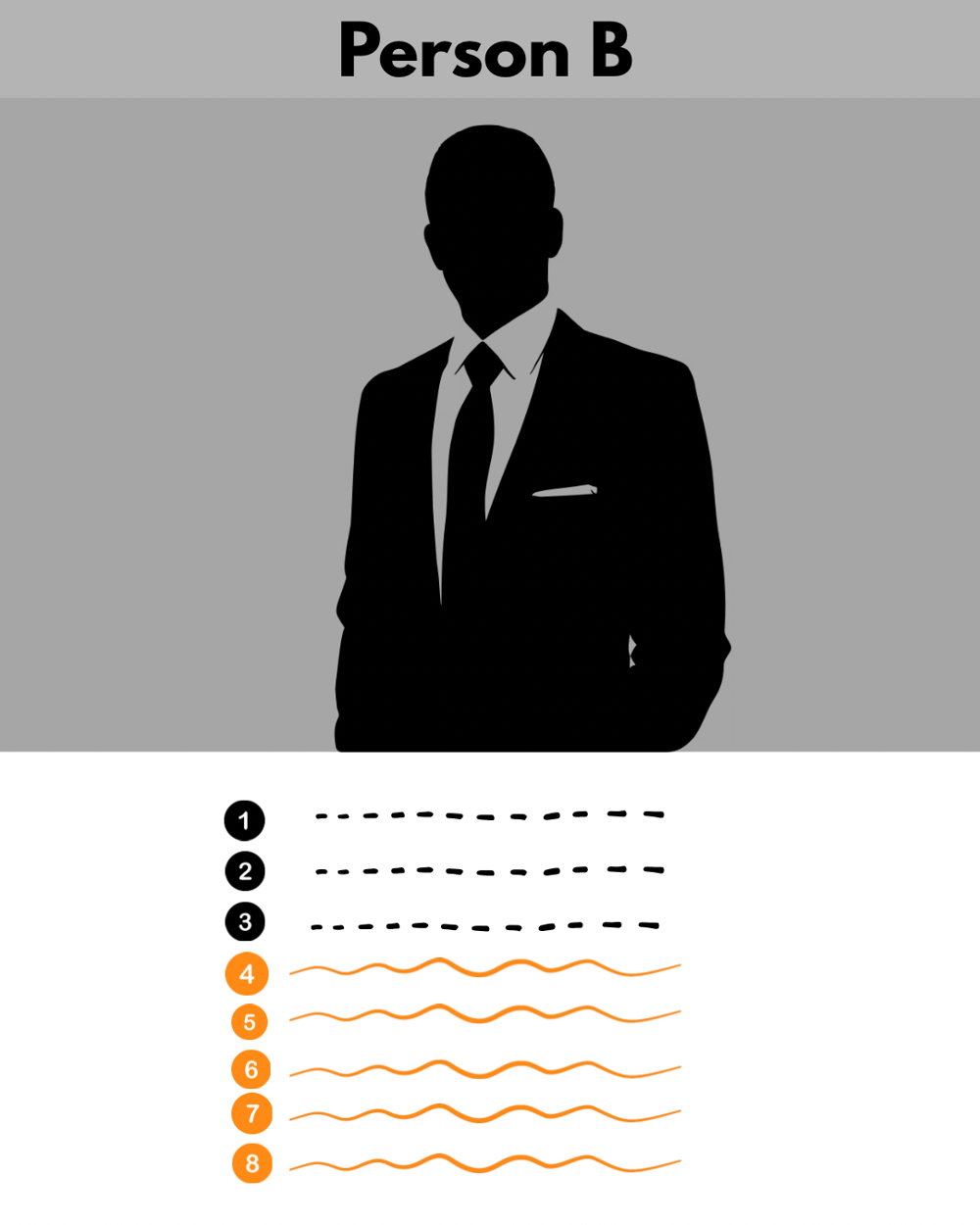
Be honest. You picked B, didn't you?
Most people do, and it isn't because B is smarter. It's because B showed up with proof, and A is asking you to take their word for it.
Is this important right now?
Employers are asking for AI skills more than ever. SHRM's Global AI Skills Trends report looked at job postings in 27 countries and found demand for AI skills went up in every one of them.
But the people doing the hiring have a problem. Western Governors University's Workforce Decoded report found that 60% of hiring professionals say AI has made it harder to judge what a candidate can really do. The share of employers still working out how to assess AI skills doubled in a year, from 16% to 32%.
Read that again. Companies want AI skills, and they can't tell who has them.
That gap is where you either get noticed or get passed over.
The question people keep asking us
Some of the messages we get sound like this: "How do I learn AI before getting a certificate?" and "Is there any AI course you would recommend?"
Both are fair questions, and neither has an easy answer. There are so many courses that choosing one is a job in itself. And plenty of people finish one, know a bit more, and still have nothing to show for it.
Why we built this
When our own organization decided to train our staff on AI adoption, we assumed the course already existed. With this many options, why build another one?
So we went looking. We reviewed more than 1,000 online courses.
Some were too long. Some were too expensive. Some were too short, or only half finished. Some had names that told you nothing about what you'd actually know once you completed them. We saw courses that gave 10 hours to prompting alone and then stopped.
We couldn't find one we were willing to hand to our own team.
That's when it became clear the course we needed didn't exist yet, so we built it.
What we learned is that learning AI wasn't the hard part. The hard part was knowing what to learn, knowing when you've learned enough, and then having something to show for it.
What's waiting on the next page
We built one program that takes six weeks, at one hour a day, and you finish with five AI credentials instead of one. We're not listing them here. Page 2 shows you:
- How the five credentials stack together, and why that matters to the person reading your CV
- Exactly what you'll learn each week
- What it costs (a lot less than you're probably guessing)
- When it starts, and the bonus we're giving the first 50 people in
Does that sound like what you've been looking for? Then let's get you there.
Enter your details to proceed...
Try a quick exercise with us. It takes about a minute, and then we'll show you something we think you'll want to see.
You've read the posts. You've watched the videos. Maybe you've tried a tool or two, or sat through a workshop. So you know some AI.
Guess what?
Nobody looking at your CV can tell.
The Exercise
Imagine you've been asked to choose one person to join your team. AI is now part of everyone's work, so you need someone who can handle it.
- Person A has 3 certificates in their field.
- Person B has 8. The same 3 in their field, plus 5 more covering different parts of AI adoption at work.
Everything else is equal. Same experience. Same interview. Same salary ask.
Who do you pick?
Everything else is equal. Same experience. Same interview. Same salary ask.
Be honest. You picked B, didn't you?
Most people do, and it isn't because B is smarter. It's because B showed up with proof, and A is asking you to take their word for it.
Is this important right now?
Employers are asking for AI skills more than ever. SHRM's Global AI Skills Trends report looked at job postings in 27 countries and found demand for AI skills went up in every one of them.
But the people doing the hiring have a problem. Western Governors University's Workforce Decoded report found that 60% of hiring professionals say AI has made it harder to judge what a candidate can really do. The share of employers still working out how to assess AI skills doubled in a year, from 16% to 32%.
Read that again. Companies want AI skills, and they can't tell who has them.
That gap is where you either get noticed or get passed over.
The question people keep asking us
Some of the messages we get sound like this: "How do I learn AI before getting a certificate?" and "Is there any AI course you would recommend?"
Both are fair questions, and neither has an easy answer. There are so many courses that choosing one is a job in itself. And plenty of people finish one, know a bit more, and still have nothing to show for it.
Why we built this
When our own organization decided to train our staff on AI adoption, we assumed the course already existed. With this many options, why build another one?
So we went looking. We reviewed more than 1,000 online courses.
Some were too long. Some were too expensive. Some were too short, or only half finished. Some had names that told you nothing about what you'd actually know once you completed them. We saw courses that gave 10 hours to prompting alone and then stopped.
We couldn't find one we were willing to hand to our own team.
That's when it became clear the course we needed didn't exist yet, so we built it.
What we learned is that learning AI wasn't the hard part. The hard part was knowing what to learn, knowing when you've learned enough, and then having something to show for it.
What's waiting on the next page
We built one program that takes six weeks, at one hour a day, and you finish with five AI credentials instead of one. We're not listing them here.
Page 2 shows you:
- How the five credentials stack together, and why that matters to the person reading your CV
- Exactly what you'll learn each week
- What it costs (a lot less than you're probably guessing)
- When it starts, and the bonus we're giving the first 50 people in
Does that sound like what you've been looking for? Then let's get you there.
Enter your details to proceed...

Diembassy Inc. ©2026 All Rights Reserved - 8 Highbrook Street, Kitchener, ON, Canada. N2E 3P1